Unified View of Inventory
“This is epic”, SVP Product Management
“This is the most productive I’ve been in months” Principle Product Manager
The Unified View of Inventory (UVOI) was one of Fluent Commerce's most strategically important initiatives. The goal was to transform a complex set of inventory data into a single, intuitive experience that enabled retailers to make faster, more confident inventory decisions.
More than a feature, UVOI became a showcase for our Design Thinking approach. In the absence of a dedicated Product Manager, I led the discovery, facilitated cross-functional collaboration and established a shared understanding of the problem before any solution was designed. The project demonstrated how Human-Centred Design could reduce risk, improve alignment and accelerate innovation across Product, Engineering and the wider business.
The steps we took to realise this vision include (see associated screenshots below):
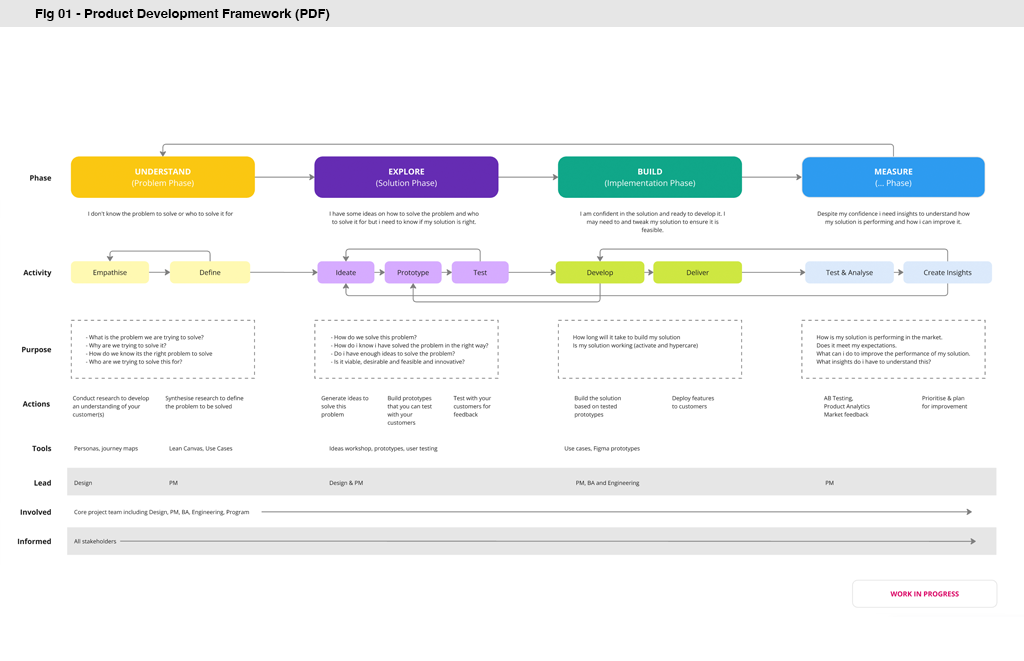
Fig. 01 - The Framework
Starting with our Product Development Framework for guidance. This framework was something I conceived as an evolution of the existing PDF
Fig. 02 - The Double Diamond
Copying the double diamond framework into the working Miro board gave me, my team and all our collaborators guidance and assurance of our approach
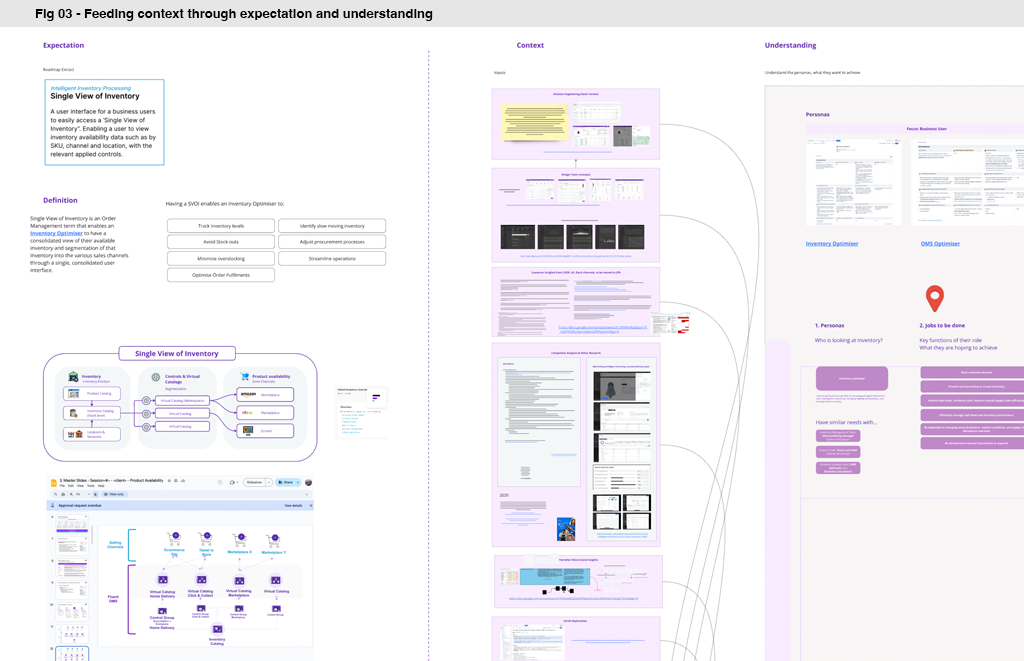
Fig. 03 - Context = Expectation + Understanding
We started out by understanding the expectations of the business, followed by bringing all our knowledge in this area together
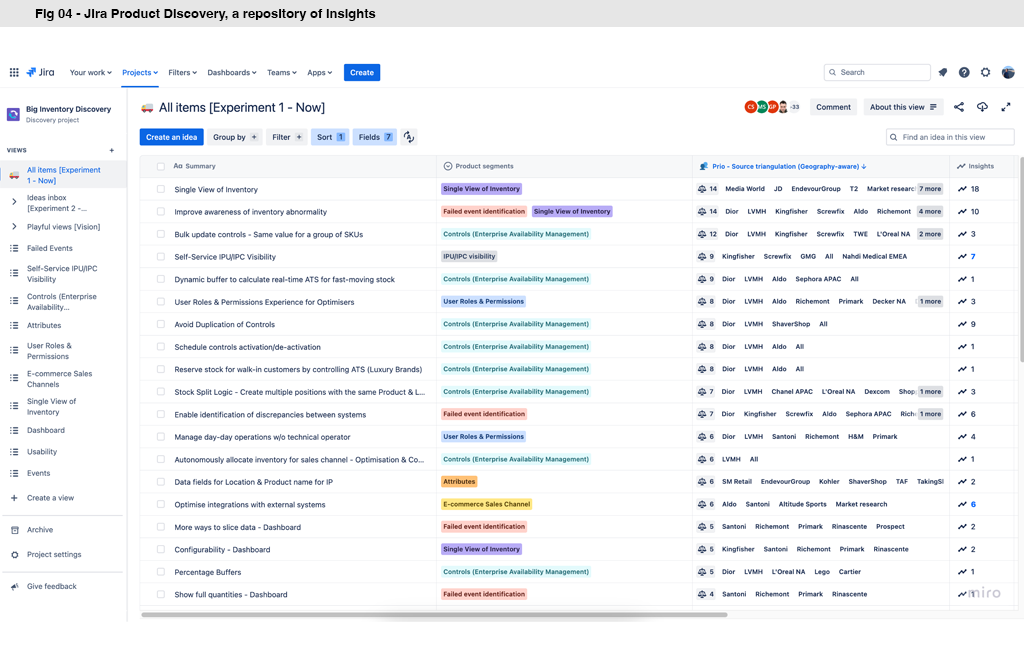
Fig. 04 - Feeding a repository of insights for the future
This knowledge would be mined from multiple channels, including email, Slack, online research, SME conversations and existing work done by the Solution Engineering team in this space
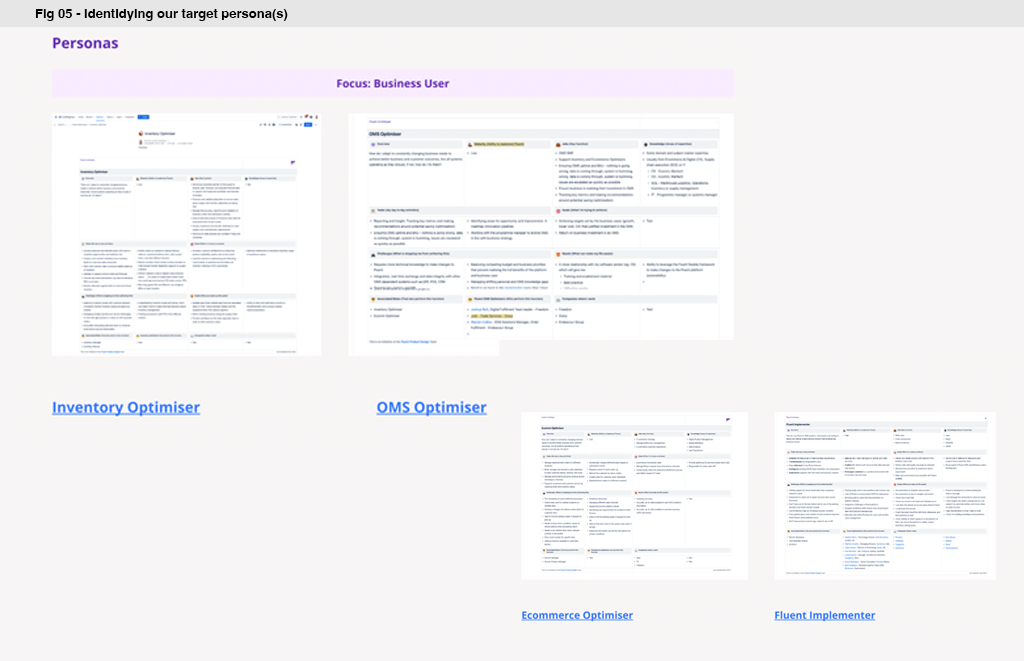
Fig. 05 - Identifying our target persona(s)
We then brought in our personas to identify who we were designing these features for.
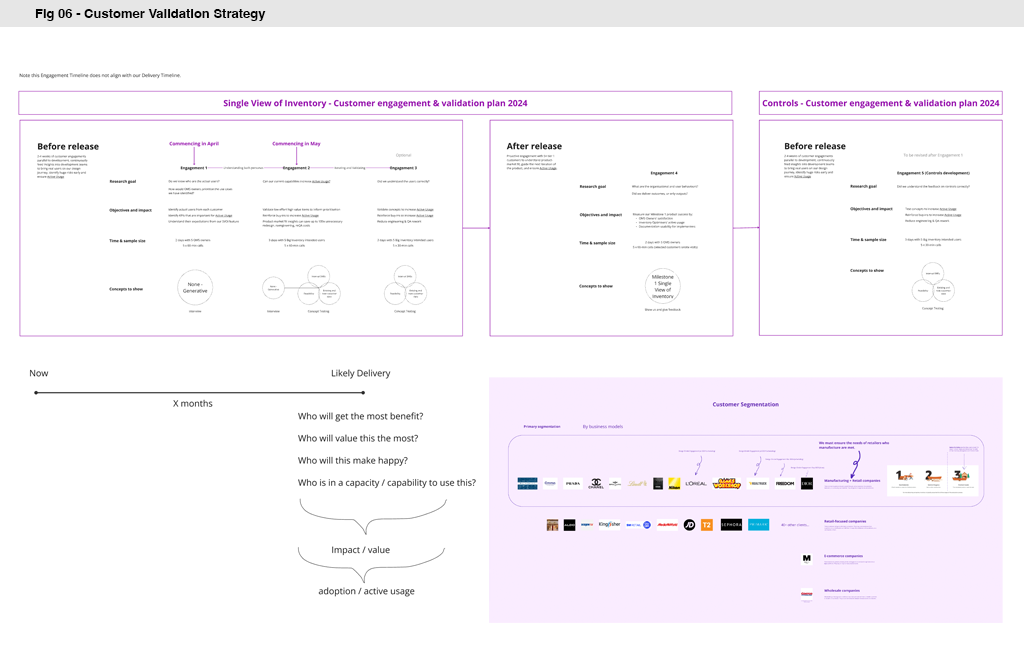
Fig. 06 - Customer Validation Strategy
By doing this, we were also able to identify the most relevant and valuable customers we could engage with to validate that we were on the right track, as well as set up for adoption.
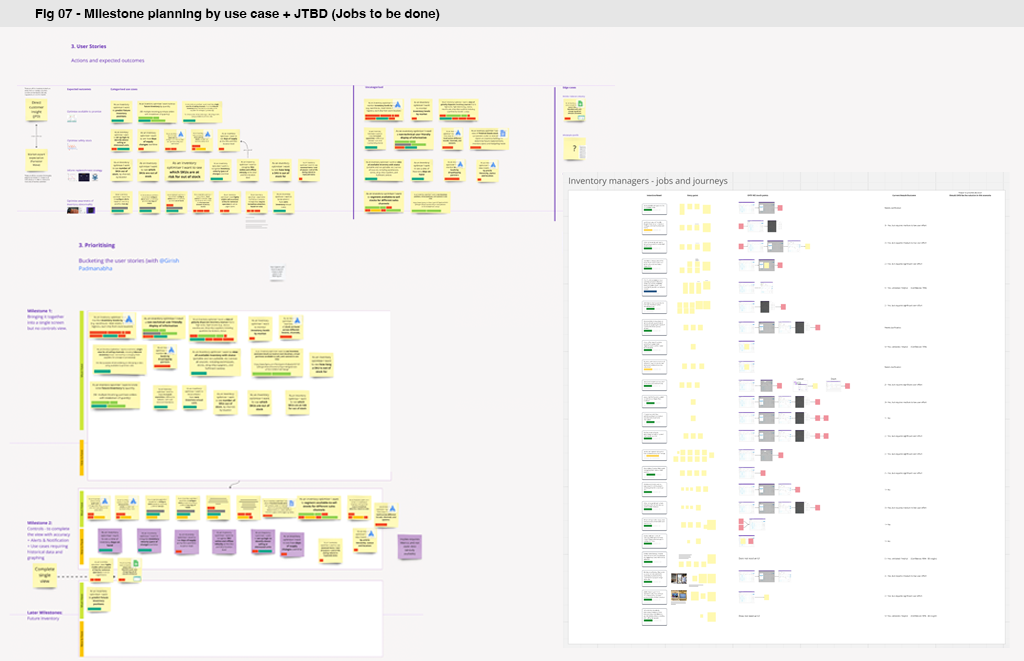
Fig. 07 -Milestone planning
We then identified all the use cases for this capability and prioritised these by milestones with SMEs.
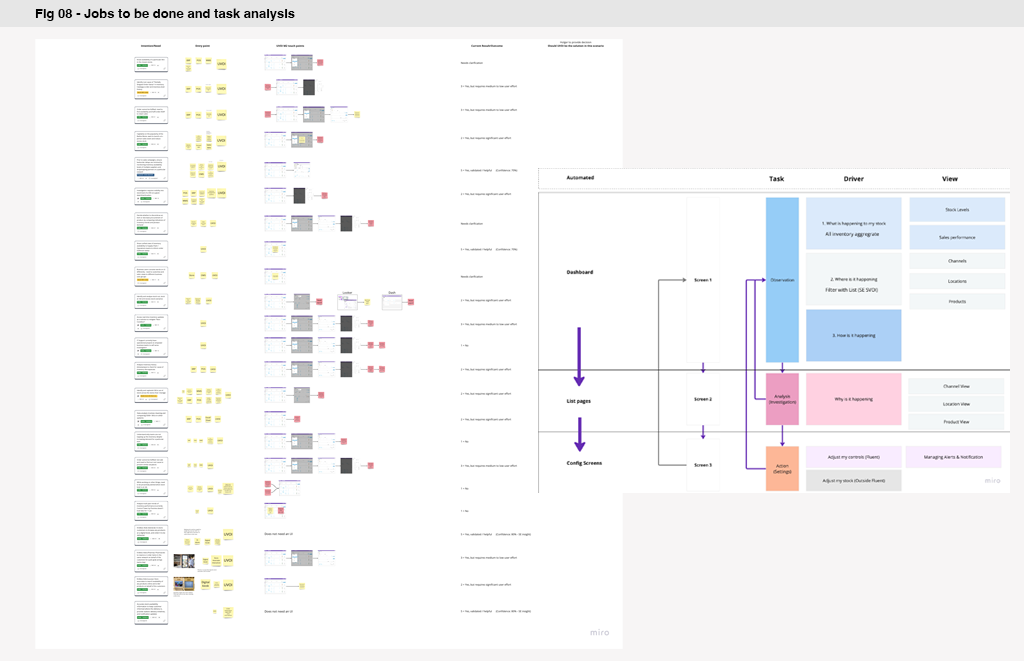
Fig. 08 - Jobs to be done and task analysis
We broke down these use cases by tasks and designed a framework to understand the sequence and journey for performing these tasks.
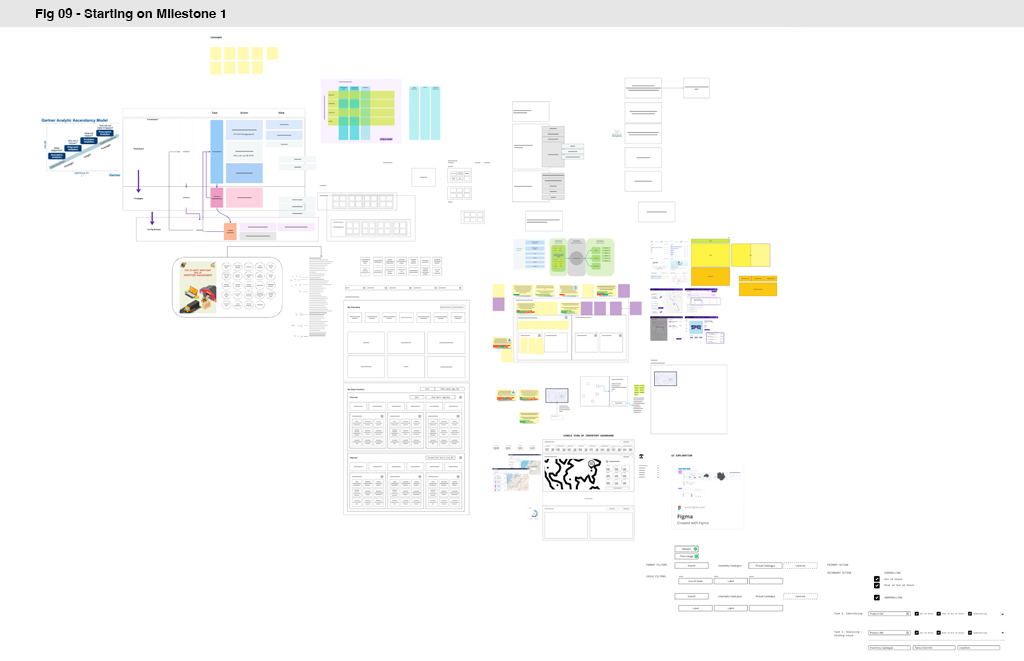
Fig. 09 - Delivering Milestone 1
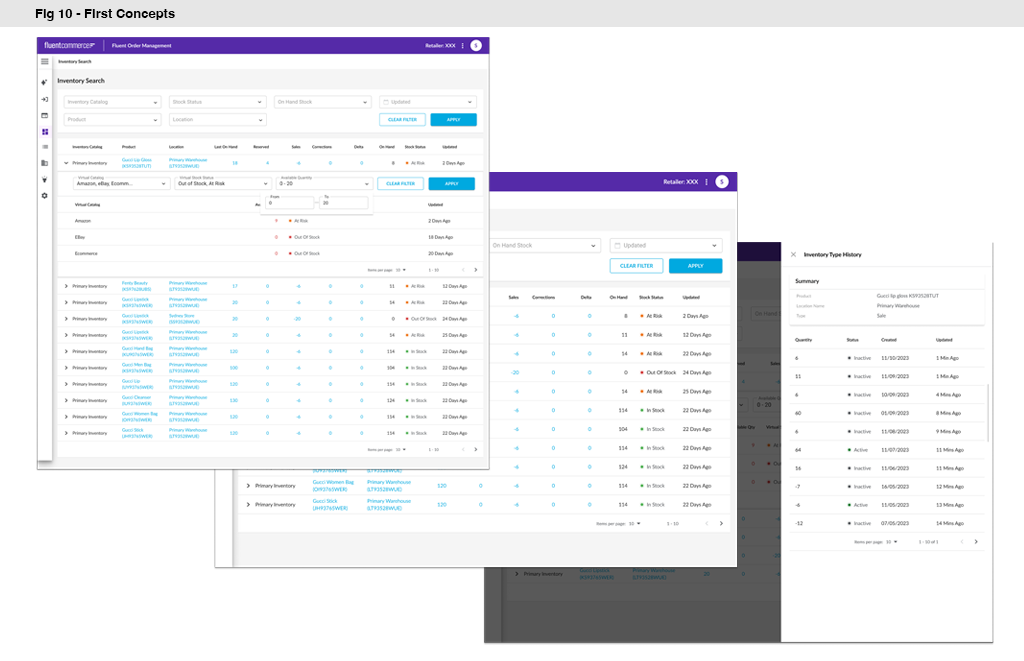
With a vision in sight, we broke away to begin work on milestone 1 (M1). All the understanding we had gained to date served our collaborator and us well in creating concepts.
Fig. 10 - Customer Validation
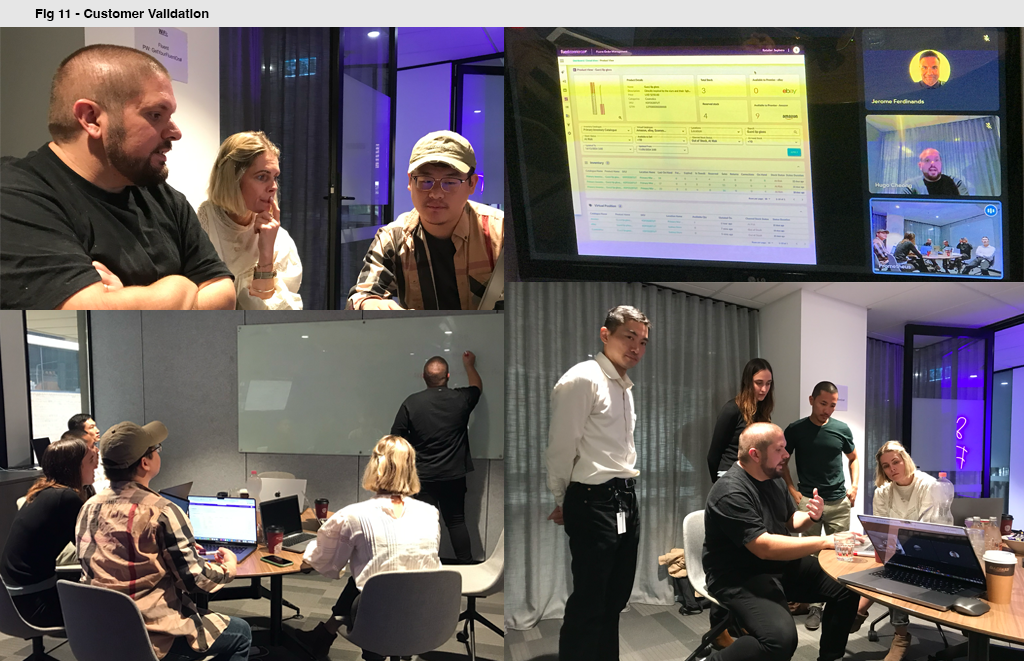
We took these early concepts to our customers for feedback
Fig. 11 - Production Design ready for Development (Figma)
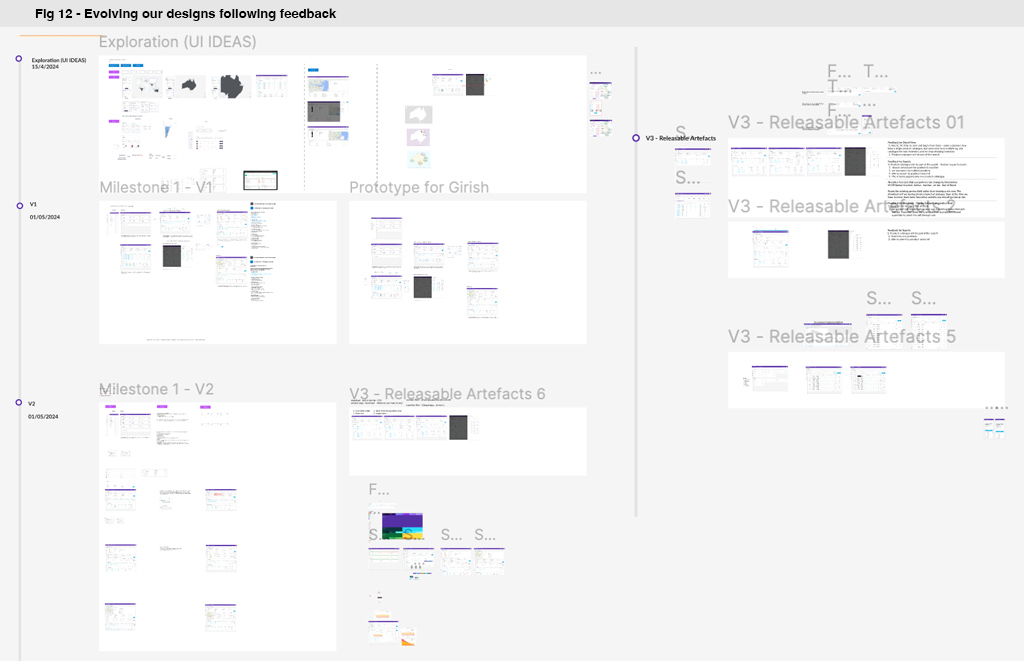
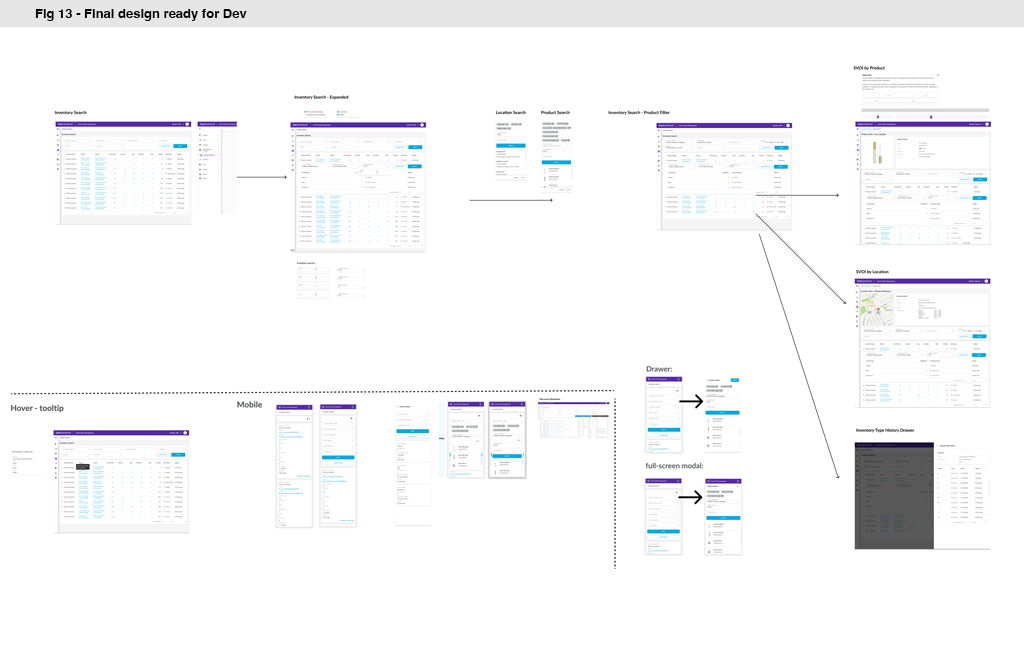
Following minor tweaks from internal stakeholders and customers, we provided a final production-ready design to engineering for an M1 release while we continued on the vision and subsequent milestones.
All these steps were performed while continuously collaborating with many teams and SMEs across the business. We communicated our plans and progress to invite feedback every step of the way. The work produced here, led by the design team and me, contributed significantly towards elevating Design in a largely sales- and engineering-driven organisation.
Business Objective
Provide a best-in-class, out-of-the-box inventory management experience that strengthened Fluent Commerce's competitive position and reduced implementation effort for customers and system integrators. By delivering this capability as part of the platform, Fluent could shorten implementation time, reduce customer costs and better demonstrate the value of its composable architecture.
Customer Challenge
Inventory managers lacked a simple, consolidated view of inventory across locations, channels and availability. Existing workflows required navigating multiple data sources, increasing cognitive load and making it difficult to manage inventory and confidently minimise over-selling or under-selling.
Design Challenge
Lead the discovery and design of a scalable inventory management experience that balanced customer needs, technical constraints and business priorities. Working with stakeholders across Product, Engineering, Solution Consulting and Customer Success, the challenge was to transform fragmented knowledge into a validated product vision supported by customer research and iterative testing.
Discovery & Delivery
Using our Design Thinking framework, we brought together customer research, internal knowledge, market insights and technical expertise to create a shared understanding of the opportunity. Personas, Jobs-to-be-Done, journey mapping and collaborative workshops helped define priorities, validate assumptions and identify a phased delivery roadmap.
These insights informed rapid concept development, customer validation and iterative prototyping before production-ready designs were delivered to Engineering. Throughout the project, continuous collaboration ensured decisions remained grounded in customer evidence while maintaining alignment across multiple teams.
Outcomes & Impact
Delivered a validated product vision for one of Fluent Commerce's flagship capabilities.
Demonstrated the value of Design Thinking by leading discovery in the absence of a Product Manager, enabling the project to maintain momentum and clarity.
Established a repeatable discovery approach that strengthened collaboration across Product, Engineering and Design.
Elevated the credibility of Product Design, shifting perceptions from a delivery function to a strategic partner influencing product direction.
Received executive recognition for the quality of the discovery, collaboration and customer-centred approach, with the SVP of Product describing the work as "epic."
Reinforced Design's role as a catalyst for innovation, helping embed Human-Centred Design into Fluent Commerce's product development culture.

Credits
Product Name: UVOI - Unified View of Inventory (Design Thinking in action)
Role: Head of Product Design
Website Link: https://fluentcommerce.com/